

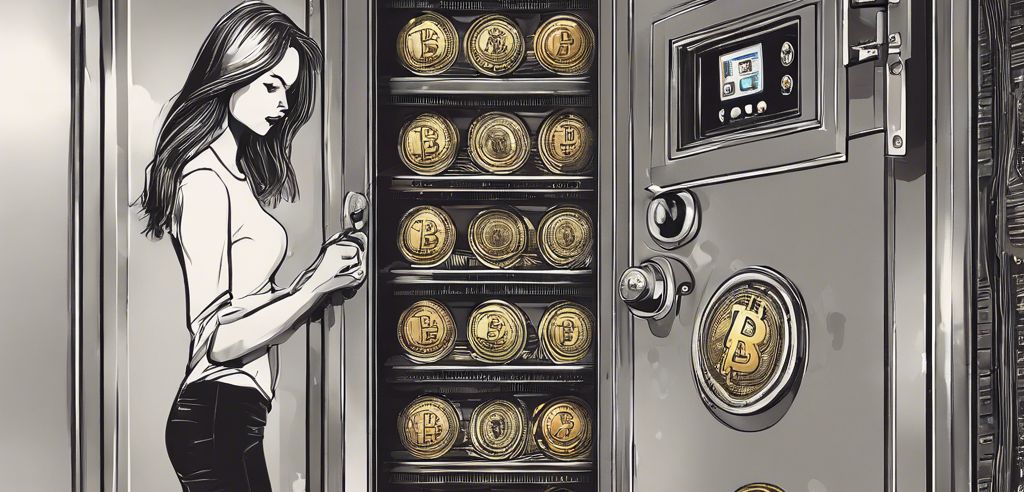
Staking cryptocurrency is a process that involves locking up your coins in a wallet or exchange to support the network’s security and earn rewards. It’s similar to earning interest on a savings account but with a few key differences.
How Staking Works
- Choosing a Cryptocurrency: Not all cryptocurrencies support staking. Popular options include Ethereum, Cardano, Solana, and Polkadot.
- Selecting a Wallet or Exchange: You’ll need a wallet or exchange that supports staking for the chosen cryptocurrency. Some popular options include MyEtherWallet, Coinbase, and Binance.
- Locking Up Your Coins: Once you’ve selected a wallet or exchange, you’ll need to transfer your coins to it and lock them up. The minimum amount required to stake varies depending on the cryptocurrency.
- Earning Rewards: In return for locking up your coins, you’ll earn rewards. These rewards can be in the form of more cryptocurrency or other tokens.
- Unstaking: You can usually unstake your coins at any time, but there might be a minimum waiting period.
Types of Staking
There are two main types of staking:
- Delegated Proof of Stake (DPoS): In DPoS, you don’t need to run a full node. Instead, you can delegate your voting power to a validator. The validator will earn rewards, which they will share with you based on your stake.
- Proof of Stake (PoS): In PoS, you need to run a full node. This requires significant computational power and storage. In return, you will earn rewards based on the amount of cryptocurrency you have staked.
Benefits of Staking
- Earn Passive Income: Staking allows you to earn rewards without having to actively trade or invest.
- Support Network Security: By staking, you contribute to the security and stability of the blockchain network.
- Potential for Increased Value: As the value of the cryptocurrency you are staking increases, so too does the value of your stake.
Risks of Staking
- Market Volatility: The value of the cryptocurrency you are staking can fluctuate, which could impact your overall returns.
- Technical Issues: There is always a risk of technical issues with wallets or exchanges, which could result in lost funds.
- Regulatory Changes: Changes in regulations can impact the profitability of staking.
Conclusion
Staking cryptocurrency can be a rewarding way to earn passive income and support the growth of the blockchain ecosystem. However, it’s important to do your research and understand the risks involved before getting started.

